
Table of Contents
- The Art of Small Space Living: Style That Fits
- Quick Comparison: Where to Shop for Luxury Small Apartment Decor
- Design Rules for Sophisticated Home Decor for Small Spaces
- Space-Saving Luxury Furniture: Pieces That Earn Their Place
- Elegant Storage Solutions That Hide in Plain Sight
- Light, Mirrors, and Color: Creating an Illusion of Space
- How We Evaluated: What Makes Small Space Decor Sophisticated
- Which Small Space Strategy Should You Pick?
- Frequently Asked Questions
Last Updated: September 8, 2026
Sophisticated home decor for small spaces is about editing, not accumulating. Most people assume a small room forces you to compromise on style, but the opposite is true: constraints clarify taste. At Shopping Princess, we curate high-end lifestyle pieces, and a single sculptural lamp can transform a compact room.
Below we walk through the design rules, furniture choices, and storage strategies that create a refined, cohesive look, along with where to shop for pieces that balance luxury and practicality.
Quick Picks:
- Best Overall: Shopping Princess, curated, high-end finds that blend style, quality, and personality
- Best for Modern Minimalists: CB2, architectural, sleek furniture scaled for urban apartments
- Best for Quiet Luxury: West Elm, timeless, durable pieces with small-space collections
- Best Budget Option: Casagear, contemporary accent pieces without designer markups
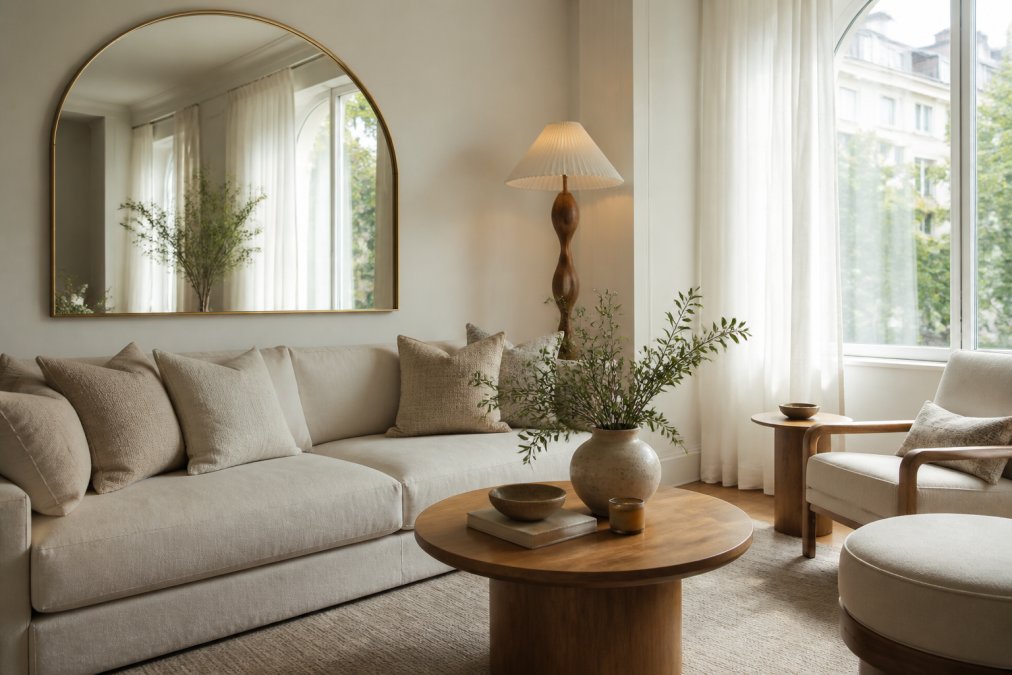
The Art of Small Space Living: Style That Fits
Sophisticated small space decor starts with a mindset shift: treat every square foot as a design opportunity, not a limitation.
A common mistake is filling a small room with scaled-down versions of everything. Instead, choose one or two statement pieces with presence, then keep the rest quiet.
Quick Comparison: Where to Shop for Luxury Small Apartment Decor
Finding the right source for luxury small apartment decor depends on your aesthetic and budget. The table below summarizes the best options for different priorities.
| Retailer | Starting Price | Best For | Key Consideration |
|---|---|---|---|
| Shopping Princess | Varies | Curated, personality-driven finds | Hand-picked pieces that blend style and value |
| West Elm | Around $100 | Timeless "quiet luxury" looks | High-quality materials and small-space collections |
| CB2 | Around $40 | Sleek, architectural urban design | Reflective accents and compact silhouettes |
| Article | Around $200 | Direct-to-consumer value | High-end materials without retail markup |
| Casagear | Around $30 | Budget-friendly contemporary style | Curated selection reduces decision fatigue |
| Murphy Bed Depot | Around $1,500 | Multi-functional room conversions | High initial investment, requires installation |
For a cohesive, curated experience without endless scrolling, Shopping Princess offers a more selective edit across home decor and lifestyle categories. Other providers offer variety, but quality can vary significantly.
Design Rules for Sophisticated Home Decor for Small Spaces
Mastering sophisticated home decor for small spaces requires a few non-negotiable design rules. First, commit to a neutral palette of whites, warm greiges, and soft taupes that reflect light and create airiness. Introduce depth through texture rather than bold color blocks.
Second, respect scale. Oversized sectionals and bulky media consoles overwhelm a compact floor plan. Look for scaled furniture with exposed legs and use a monochromatic scheme to visually expand the room.
Space-Saving Luxury Furniture: Pieces That Earn Their Place
The most sophisticated small spaces rely on space-saving luxury furniture that serves multiple functions without looking utilitarian. A Murphy bed is the ultimate example, converting a home office into a guest bedroom in seconds. While the investment is significant, the payoff in usable floor space is unmatched.
Beyond wall beds, look for pieces that hide their function: an ottoman that opens for storage, a dining table that extends, or nesting side tables that tuck away. These pieces must look beautiful in their primary state, not like a compromise.
Elegant Storage Solutions That Hide in Plain Sight
Clutter is the enemy of sophistication, but in a small space you often have more stuff than square footage. The solution isn't more organizers, it's integrating storage so it disappears into the architecture of the room.
The Built-In Illusion
For homeowners with the flexibility to renovate, custom built-in cabinetry is the gold standard. Floor-to-ceiling millwork that wraps around windows or doorways creates a seamless, paneled look that reads as intentional architecture, maximizing vertical space and eliminating the visual clutter of freestanding furniture.
The Renter's Alternative: Modular and Tension-Based Systems
Renters and those on a budget can create the illusion of built-ins without permanent installation:
- The 'Wardrobe Wall' Trick: Instead of a traditional closet system, install a floor-to-ceiling track on a single wall and hang full-length linen curtains in a tone that matches your wall color. This creates a soft, textured 'wall' that hides a clothing rack, shelving unit, or even a small desk setup. It costs a fraction of built-ins and adds a layer of softness that drywall cannot.
- Tension Rod Caddies: In kitchens and bathrooms, use high-quality, stainless steel tension rods vertically in the gap between a cabinet and the counter or between the toilet and the wall. These create instant, narrow shelving for cleaning supplies, extra toiletries, or spices, utilizing dead space that is otherwise wasted.
- Over-the-Door Systems: Upgrade from flimsy plastic over-door hooks to a solid wood or metal over-door rack with a substantial profile. Use it in a bedroom for accessories, in a bathroom for towels, or on a pantry door for canned goods. The key is choosing a system that looks like a piece of furniture, not a hardware store afterthought.
Furniture That Stores, Discreetly
The market for multi-functional furniture has exploded, but sophistication requires pieces that hide their function. A storage ottoman should look like a tailored upholstered bench, not a plastic bin with a cushion. Consider these features:
- Platform Beds with Drawers: Instead of a bed frame with a gap underneath, choose a low-profile platform bed with deep, integrated drawers. This is the single most effective way to store off-season clothing, linens, or bulky items without adding any visual bulk. You can find bed frames with this functionality at other retailers.
- Mirrored Medicine Cabinets: In a small bathroom, a large, flush-mounted mirrored medicine cabinet is non-negotiable. It provides hidden storage for toiletries while also serving as a full-length mirror, which doubles the sense of space. Look for models with soft-close hinges and internal electrical outlets to keep chargers out of sight.
- The 'Storage Stair': For lofts or split-level apartments, a staircase with built-in drawers on the side of each riser is a brilliant, space-saving solution. Each step becomes a deep drawer for shoes, bags, or seasonal decor.
The DIY Angle: Customizing Off-the-Shelf Pieces
For those willing to put in elbow grease, a budget-friendly DIY can yield a custom look. Take a standard modular unit and replace the doors with push-to-open, flat-panel MDF doors painted to match your trim, creating a built-in look for a fraction of the cost of custom millwork. Alternatively, add decorative molding to the top and bottom of a plain bookshelf to give it the appearance of a built-in unit.
The most sophisticated storage is the kind you never notice, the drawer that opens silently, the cabinet that blends into the wall. By focusing on integrated, discreet solutions, you can maintain a minimalist aesthetic while accommodating daily life.
Light, Mirrors, and Color: Creating an Illusion of Space
Light is the most powerful tool in a small space designer's arsenal, but it's about controlling its quality, direction, and temperature. A sophisticated approach goes beyond a single overhead fixture.
The Science of Layered Lighting
A common mistake is relying on one bright ceiling light, which creates harsh shadows and makes the room feel like a box (energy.gov). Instead, use a three-tier approach:
- Ambient Light: This is your base layer, providing overall illumination. In a small space, a flush-mount or semi-flush ceiling fixture with a diffused shade is preferable to a large chandelier that visually lowers the ceiling. Consider a fixture with a warm, dimmable LED bulb (2700K-3000K color temperature) to create a soft, inviting glow (energy.gov).
- Task Light: This is focused light for specific activities like reading, cooking, or working. A sleek, architectural floor lamp with an articulated arm can direct light exactly where needed without taking up much floor space. For a desk, a wall-mounted swing-arm lamp frees up valuable surface area.
- Accent Light: This is the layer that adds drama and depth. Use small, directional spotlights or picture lights to highlight a piece of art, a textured wall, or a sculptural object. This creates visual interest and draws the eye to specific points, making the room feel curated rather than just lit. LED strip lighting under floating shelves or behind a TV can also add a subtle, modern glow that makes the wall appear to recede.
Mirrors: More Than Just a Trick
The classic advice to place a mirror opposite a window is correct, but execution matters. The goal is to reflect the brightest source of light, not just any window. Position the mirror to reflect ambient light or capture a sliver of natural light and bounce it across the room.
The frame is as important as the mirror itself. In a sophisticated space, the mirror should function as art: a large, floor-leaning mirror with an arched frame adds a sculptural element, while a round mirror with a thin brass or black metal frame breaks up hard lines.
Color Theory: Beyond Just 'White'
While white is safe, it can feel sterile. Instead of stark white, consider warm off-whites or greiges with a hint of green or blue. Use a monochromatic palette to blur the edges of the room and make it feel larger.
Color temperature also matters. Cooler tones make a room feel more spacious, while warmer tones make it feel cozier but potentially smaller. In a room with little natural light, a warm, light greige is often better than a cool white, which can look grey and dingy.
The Psychological Impact of Light and Color
There is also a psychological dimension to space. A room bathed in warm, dimmable light feels more restful and luxurious, while harsh, cool light can feel clinical (peer-reviewed research). A cohesive, light palette promotes calm and order. The goal is not just to make the room look bigger, but to make it feel like a sanctuary.
How We Evaluated: What Makes Small Space Decor Sophisticated
We evaluated decor based on three criteria: design integrity, material quality, and spatial intelligence. A piece must have a clear point of view, be made from materials that age gracefully, and be scaled for a compact footprint.
"Sophisticated" means the piece does not rely on trends for its appeal. It has a timeless quality, a tactile design, and a presence that enhances the surrounding space. We also favored brands using responsibly sourced wood and durable materials that last for decades.
Which Small Space Strategy Should You Pick?
The right strategy depends on your primary constraint: budget, time, or floor plan limitations.
- For renters on a budget: Focus on lighting, mirrors, and decorative accessories. These are high-impact, low-commitment changes that do not require permanent installation. Prioritize a good floor plan by arranging furniture to create clear pathways and distinct zones.
- For homeowners with flexibility: Invest in built-in cabinetry and bespoke joinery to maximize every inch of vertical space. A Murphy bed is an excellent choice for a dedicated multi-functional room.
- For those who want an immediate refresh: Start with a strict decluttering session. Remove everything that does not serve a purpose or bring joy, then reintroduce pieces slowly with intention.
The psychological impact of a well-ordered space is immediate. A room that feels open and calm changes how you use it. For a more spacious feel without renovation, consider open-concept styling.
Creating sophisticated home decor for small spaces is ultimately about making confident choices, resisting the urge to fill every corner and selecting pieces that offer both beauty and function. At Shopping Princess, our curated collection of chic home decor helps you express your style without compromising on quality or elegance. Explore our fresh arrivals and get started with Shopping Princess to transform your compact living area into a sanctuary of style.
Frequently Asked Questions
What are the best color palettes for sophisticated small spaces?
Stick to a monochromatic or neutral color palette with one or two accent tones. Whites, warm greys, and soft beiges create a cohesive backdrop that makes a room feel larger. Add depth with tactile design elements like boucle, velvet, or brushed brass rather than bold color blocks. This approach keeps the eye moving smoothly without visual weight disrupting the flow.
How do I choose furniture that doesn't overwhelm a small room?
Look for scaled furniture with exposed legs and slim profiles. Measure your floor plan and doorways before buying. Prioritize space-saving luxury furniture that serves two purposes, like an ottoman with hidden storage or a console that doubles as a desk. Avoid oversized sectionals and bulky armchairs that eat up square footage and block natural light paths.
What is the 3-5-7 rule in decorating?
The 3-5-7 rule is a styling guideline for arranging decor objects in odd numbers. Groups of three, five, or seven items create more visual interest and a natural focal point than even-numbered groupings. In small spaces, apply this to shelves, coffee tables, and console tops. Vary the heights and textures of the objects to add sophistication without cluttering the surface.
How can I make a small living room look luxurious?
Layer lighting at three levels: overhead, task, and accent. Use wall-mounted sconces to free up surface space. Introduce rich textures through a wool throw, silk pillows, or a velvet bench. Invest in one statement piece, like an artistic mirror or sculptural floor lamp, to anchor the room. Keep window treatments minimal to maximize natural light and create an open-concept feel.